
PGT-A/SR - Screening for Aneuploidy and Structural Chromosomal Abnormalities
PGT-A/SR is one of the most commonly used tests for detecting abnormalities in chromosome number and structure in embryos.
Detection Scope:
- Aneuploidy across all 24 chromosomes
- Structural chromosomal abnormalities such as large deletions or duplications greater than 5 Mb
Sample Type:
- Embryo biopsy on Day 3–5
Turnaround Time:
- 3 to 5 days
This test is particularly suitable for older couples, those with a history of recurrent miscarriage, or repeated IVF failures.
PGT FAST - Rapid Results Within 15 Hours
PGT FAST is an optimal solution for cases requiring rapid results to support fresh embryo transfer procedures.
Key Features:
- DNA analysis for detecting aneuploidy and structural abnormalities across all 24 chromosomes
- Detection of deletions and duplications larger than 5 Mb
Sample Type:
- Embryo biopsy on Day 3–5
Turnaround Time:
- Approximately 15 hours
With its exceptional speed, PGT FAST helps shorten waiting times and optimize the IVF treatment process.
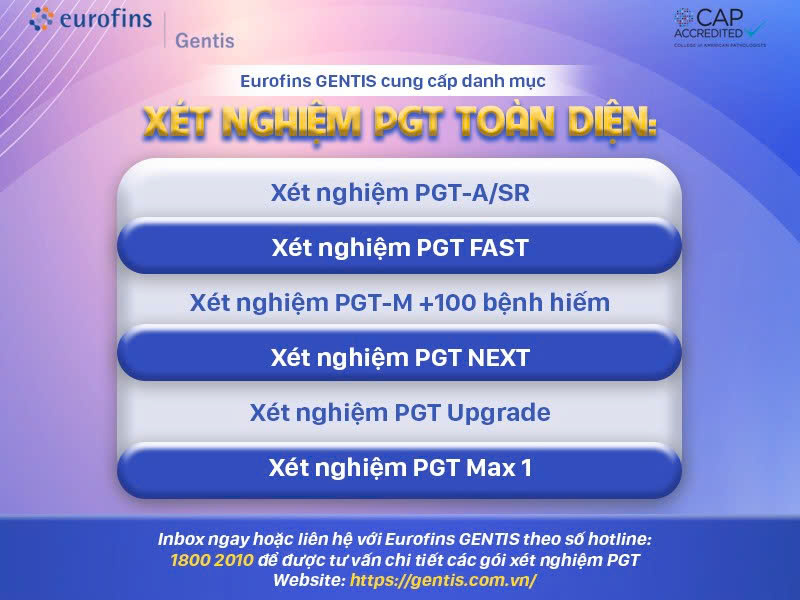
PGT-M +100 Rare Diseases - Detection of Single-Gene Mutations
PGT-M is a specialized solution for families at risk of inherited single-gene disorders.
Detection Capabilities:
- Common inherited disorders such as Thalassemia, Spinal Muscular Atrophy (SMA), and Hemophilia
- Rare syndromes including Rett syndrome, Duchenne muscular dystrophy, and more than 100 other genetic diseases
Sample Type:
- Blood samples from both parents (2–3 ml whole blood collected in EDTA tubes)
- Embryo biopsy on Day 3–5
This test helps reduce the risk of children being born with inherited single-gene disorders, contributing to improved long-term quality of life.
PGT NEXT - Expanded Detection Capabilities
PGT NEXT is an advanced version that complements PGT-A/SR by detecting polyploid embryos and identifying embryos with normal diploid chromosome sets, even among abnormally fertilized embryos (e.g., 0PN, 1PN, or 2.1/3PN).
Detection Scope:
- Aneuploidy across all 24 chromosomes
- Structural chromosomal abnormalities (duplications/deletions > 5 Mb)
- Detection of special numerical abnormalities such as polyploidy and haploidy
Sample Type:
- Embryo biopsy on Day 5
This test is suitable for cases requiring deeper evaluation of embryo genetic quality.
PGT Upgrade - Detection of Balanced Translocations
PGT Upgrade is specifically designed for couples carrying balanced chromosomal translocations who wish to avoid passing them on to future generations.
Detection Scope:
- Aneuploidy across all 24 chromosomes
- Structural chromosomal abnormalities (duplications/deletions > 5 Mb)
- Detection of embryos carrying balanced translocations inherited from parents
Sample Type:
- Blood samples from both parents (2–3 ml whole blood) and balanced translocation test results
- Day 5 embryo biopsy samples
This test plays a critical role in selecting embryos free from inherited genetic abnormalities, increasing the chances of having a healthy child.
PGT Max 1 - Enhanced Detection of Common Microdeletions
PGT Max 1 is an optimized solution combining aneuploidy screening with the detection of significant microdeletion syndromes.
Detection Scope:
- Aneuploidy across all 24 chromosomes
- Structural chromosomal abnormalities (duplications/deletions > 5 Mb)
- Detection of two common microdeletion syndromes:
- 22q11.2 deletion syndrome (associated with DiGeorge syndrome)
- 1p36 deletion syndrome
Sample Type:
- Day 5 embryo biopsy
This is an ideal option for expanding testing coverage while maintaining cost-effectiveness.
Advanced Technology - The Foundation of Exceptional Accuracy
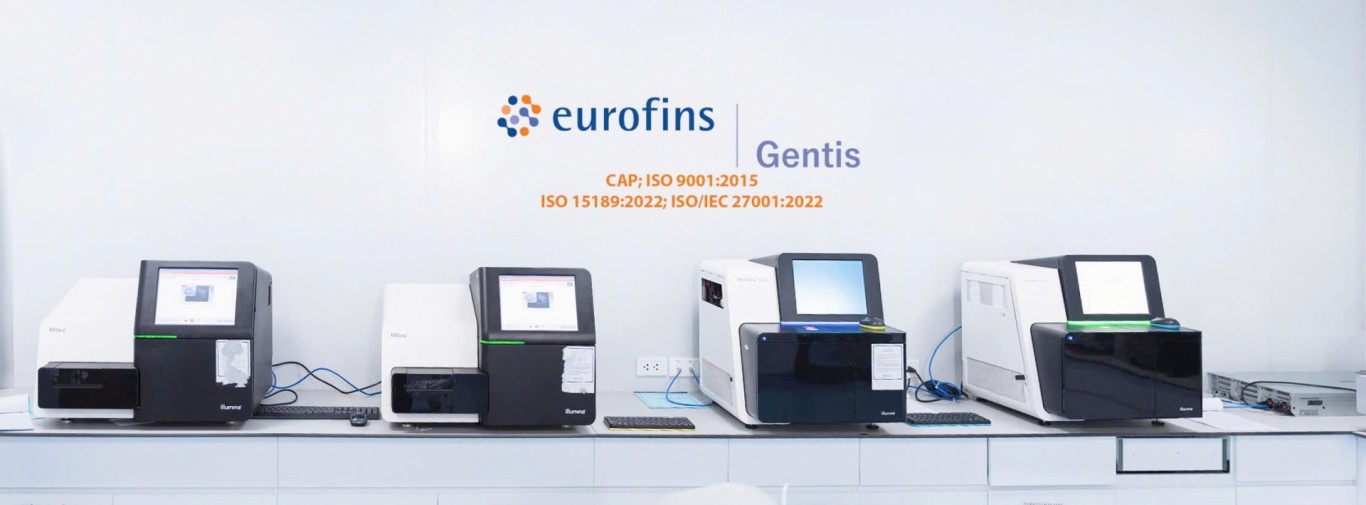
All PGT tests at Eurofins GENTIS are performed using Illumina’s Next-Generation Sequencing (NGS) platform, one of the world’s leading genetic sequencing technologies.
Key Advantages:
- Over 99% accuracy for target markers
- Simultaneous analysis of multiple gene regions
- Enhanced sensitivity for detecting small abnormalities
In addition, specialized bioinformatics software enables comprehensive data analysis, minimizing errors and ensuring highly reliable results.
CAP Accreditation - International Quality Certification
Eurofins GENTIS has achieved CAP (College of American Pathologists) accreditation, one of the most rigorous standards in medical laboratory testing. This certification confirms the laboratory’s professional expertise, strict quality control procedures, and the reliability of its test results.
Benefits of PGT in Assisted Reproduction
The application of PGT offers many practical benefits for couples undergoing fertility treatment:
- Detection of Genetic Abnormalities in Embryos:
PGT identifies chromosomal abnormalities (PGT-A) and specific gene mutations (PGT-M), helping reduce the risk of passing inherited diseases to future generations. - Improved IVF Success Rates:
Selecting genetically healthy embryos enhances implantation rates, increases pregnancy success, and lowers miscarriage risk. - Support for Optimal Embryo Selection:
Ensures that only embryos without inherited diseases or genetic abnormalities are transferred to the uterus, improving the chances of having a healthy baby.
With its comprehensive PGT testing portfolio, advanced technology, and internationally recognized quality standards, Eurofins GENTIS is contributing significantly to improving outcomes in assisted reproductive medicine. Beyond providing testing services, the organization accompanies families throughout their journey to finding healthy embryos and creating a brighter future for the next generation.
If you are considering IVF or have concerns about inherited genetic conditions, choosing the right PGT test is an important step toward ensuring a safe and successful pregnancy.