

The PGT process in assisted reproduction
According to Dr. Nguyen Van Thong, MD, Specialist Level I, Head of the Department of Medical Genetics at Hung Vuong Hospital, the current PGT process follows a structured pathway consisting of three main stages.
Stage 1: Pre-Test Counseling
In this stage, couples receive detailed consultations with fertility specialists and embryologists regarding the IVF process, the timing of embryo biopsy, and related technical considerations.
In particular, genetic counseling is an essential step. It helps assess the genetic risks associated with embryos and future pregnancies, while also identifying possible genetic causes in couples with a history of miscarriage, stillbirth, or children born with inherited diseases.
Once the genetic risks and the specific abnormalities to be tested are identified, the genetic specialist will explain the possible distribution of embryo outcomes. For example, among the embryos created, some may carry abnormalities, some may carry the same mutation as one parent but still develop normally, while others may be completely normal and free of mutations.
At this stage, couples and doctors work together to establish the final treatment goal. Some families simply hope to have a child, while others wish to select embryos free from any genetic abnormalities to reduce the burden of inherited diseases for future generations. This mutual understanding forms the foundation for the next steps.
Stage 2: Performing the PGT Test
After counseling is completed and consent forms are signed, the patient proceeds with the IVF cycle.
Embryos are cultured in the IVF laboratory until Day 3 or Day 5, with Day 5 blastocysts generally considered the optimal stage for biopsy. At this point, embryologists extract approximately 5 - 10 cells from the trophectoderm layer of the embryo. These cells are then placed into a specialized microtube and transferred to the genetics laboratory.
At the genetics lab, the testing process consists of two key steps:
- DNA Amplification:
DNA from the biopsied cells is amplified from just a few cells into millions of copies to provide sufficient material for analysis. - Genetic Analysis:
Advanced genetic technologies are then applied to determine whether the embryo carries chromosomal abnormalities, subchromosomal abnormalities, or single-gene mutations, depending on the original testing indication.
Stage 3: Post-Test Counseling
Once the PGT results are available, the couple meets again with the fertility doctor, genetic specialist, and embryologist.
At this point:
- The embryologist evaluates embryo morphology and development quality
- The genetic specialist analyzes the genetic quality of each embryo, identifying which embryos are suitable for transfer, which may not be appropriate, and which should be frozen for future consideration
Based on the genetic results, embryo morphology, and the family’s preferences, the medical team and the couple jointly develop an embryo transfer strategy. This includes determining:
- Which embryo should be prioritized for transfer first
- Which embryos may be transferred later
- Which embryos should not be used
This stage helps optimize the chances of achieving a healthy pregnancy while also ensuring patients have the right to make informed decisions and feel psychologically reassured throughout the process.
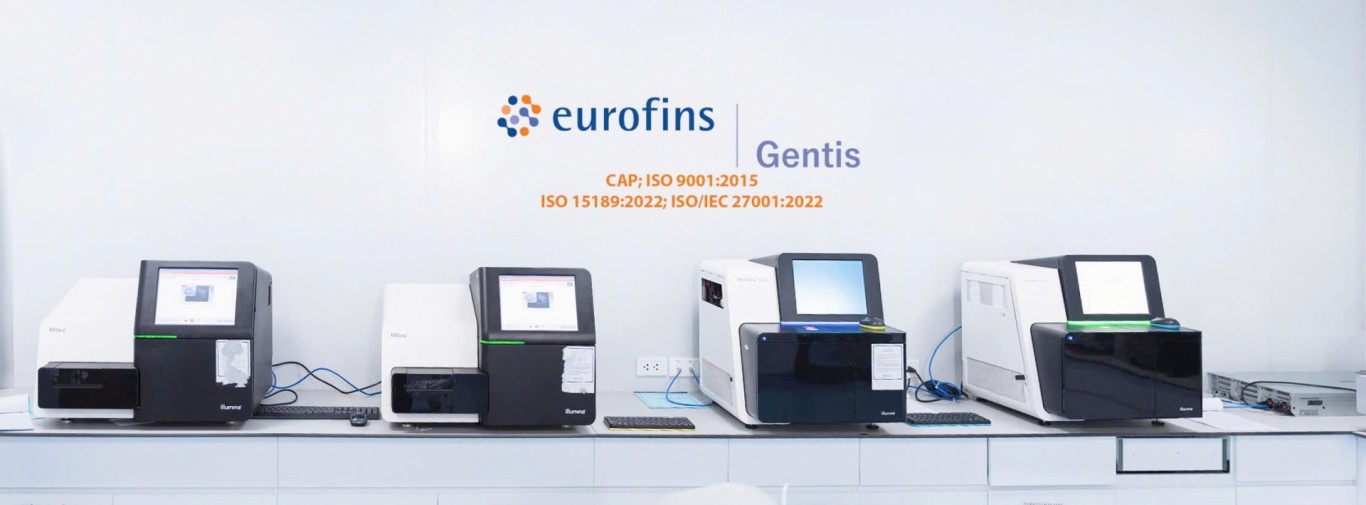
Eurofins GENTIS PGT Testing Achieves CAP Accreditation
In June 2025, Eurofins GENTIS officially achieved CAP accreditation for both NIPT and PGT testing, reaffirming its commitment to international quality standards.
CAP (College of American Pathologists) is one of the world’s leading laboratory accreditation organizations. CAP accreditation is considered the “gold standard” in laboratory quality assurance, with rigorous evaluation systems covering procedures, accuracy, quality control, and professional competency.
Achieving CAP accreditation demonstrates that Eurofins GENTIS PGT testing offers:
- High Accuracy:
Results validated according to strict international standards - Safety and Reliability:
Consistent operational procedures that minimize errors - Globally Standardized Laboratory Capability:
Full compliance with international requirements for equipment, personnel, and quality management systems - Commitment to Future Generations’ Health:
Especially in prenatal screening (NIPT) and assisted reproduction (PGT)
This achievement is not only a major milestone but also a strong commitment from Eurofins GENTIS to providing accurate, safe, and internationally standardized genetic testing solutions for customers.